Boston Celtics great Don Nelson, five-time champion and coaching innovator, dies at 86

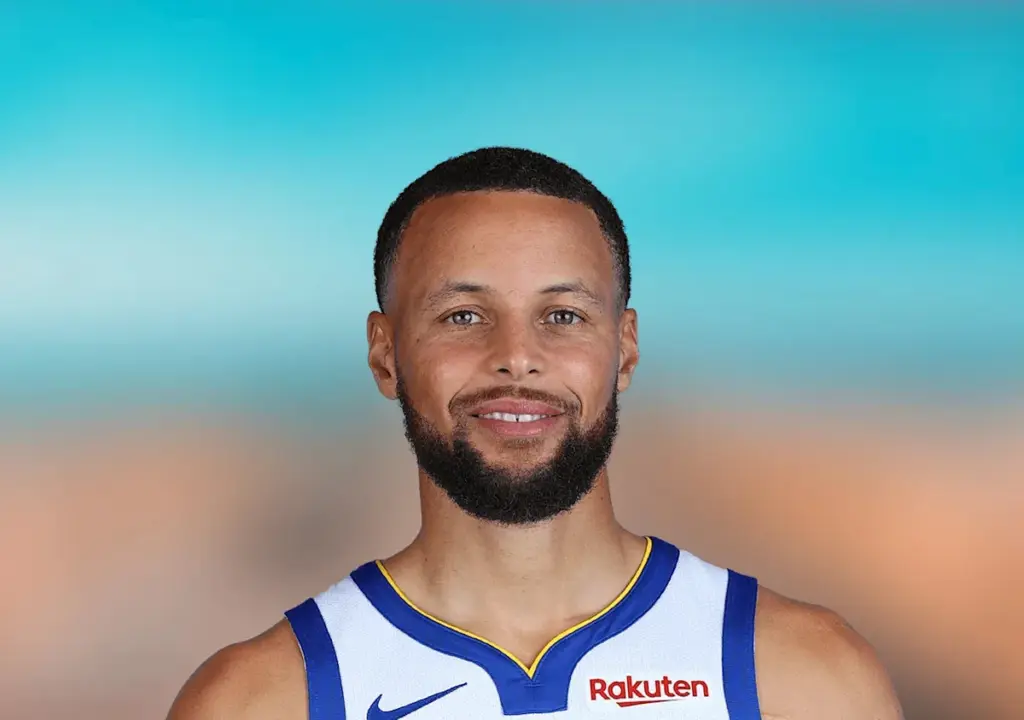
Don Nelson, a five-time champion as a versatile player for the Boston Celtics and a Hall of Fame coach for four NBA clubs, passed away on Sunday at 86, his family announced. The cause of death was not disclosed.
His family released a statement through sports journalist Marc Stein, saying, “Our beloved husband, dad, grandfather and great-grandfather Don Nelson peacefully went to be with the Lord, surrounded by his loving family. Throughout his last week, friends and family encircled him with love, sharing the blessing of his friendship and revisiting treasured memories.”
Nelson spent 11 seasons with Boston after being waived by Los Angeles and then dedicated another 31 years to coaching from the sidelines, contributing to basketball for nearly half a century. He once remarked about his career, “Can you imagine doing something that you love the most in the entire world and doing it for your entire life and besides that getting a pile of money for it? It’s unbelievable.”
A Celtics Legend on the Court
Nelson’s No. 19 jersey was retired by the Celtics. He overcame physical limitations to become an indispensable player, missing only 27 regular-season games during his time in Boston. Standing 6 feet, 6 inches tall, Nelson acknowledged, “I didn’t have the size, speed or jumping ability most forwards have. So I had to compensate by working at it and trying to play a smart game instead of an emotional one.”
After a standout career at the University of Iowa, where he set the all-time scoring record as an undersized center, Nelson was drafted in the third round by the expansion Chicago Zephyrs in 1962. He spent two subsequent seasons with the Lakers before being waived in 1965. Feeling his career was over, Nelson was then signed by the Celtics as a free agent, with coach Red Auerbach paying a $1,000 fee to the Lakers for what he called “the best deal I ever made.”
Initially, expectations for Nelson were modest; the Celtics sought a reserve player who could provide defense and rest for starters. Nelson, who believed he would “never be an All-Star,” exceeded these expectations, consistently scoring in double figures for most of his tenure in Boston. He also became a proficient free-throw shooter using only one hand.
Teammate John Havlicek noted that Nelson’s contributions often went unnoticed due to his “deceptive and unspectacular” style, but added, “But we knew and so did our opponents.”
One of Nelson’s most memorable moments came in the seventh game of the 1969 finals in Los Angeles. With Boston holding a one-point lead, his 15-footer bounced off the back of the rim, went several feet high, and then dropped through the net, securing a crucial cushion for the Celtics. Nelson described it as “the luckiest shot in basketball history,” but emphasized, “But it counted.”
This basket helped seal Boston’s 11th title in 13 years. Nelson’s adaptability and reliability were vital during the team’s rebuilding phase after the retirements of Bill Russell and Sam Jones. Russell himself stated, “Don Nelson epitomizes what it meant to be a Celtic.” Nelson transitioned from a sixth-man role to a starter, even filling in at center against formidable opponents like Wilt Chamberlain and Kareem Abdul-Jabbar. Cleveland coach Bill Fitch praised his consistency, saying, “Nelson always does what he has to do. He’s a pro.”
Nelson’s dependability was a hallmark of his career; he played 463 consecutive games, setting a club record. In 1974, he was a key contributor in the playoffs when the Celtics reclaimed their crown, averaging 15 points against Buffalo and New York. In the seventh game of the finals against Milwaukee, he helped double-team Abdul-Jabbar, contributing to Boston’s 15-point victory. Teammate Paul Silas remarked, “Nellie used what God gave him better than any basketball player I’ve ever seen.”
The following season, Nelson led the league in field-goal percentage at 34, becoming the oldest and shortest player to achieve this. He concluded his playing career as a champion in 1976 when Boston defeated Phoenix. Two years later, when his number was retired, he mused, “I don’t think they’ll remember me as well as they do Cousy, Sharman, Russell and all the other greats. I’ll be the biggest trivia question at the Garden in about four years. They’ll look up and say, hey, who’s Number 19?”
Revolutionizing Coaching with “Nellie Ball”
After his playing career, Nelson considered becoming a referee or selling cars before taking a job as an assistant coach for Milwaukee. He unexpectedly became head coach during the 1976-77 season after Larry Costello resigned. Despite initially feeling unprepared for the head coaching role, Nelson reversed the team’s fortunes in his first full season, transforming Milwaukee into a perennial playoff team and winning seven consecutive divisional titles.
Nelson’s innovative coaching system, known as “Nellie Ball,” often utilized two forwards and three guards to create offensive mismatches, reducing the traditional role of the center. Critics argued that this unconventional approach, a precursor to modern “small ball” strategies, left teams vulnerable defensively against top rivals like Boston and Philadelphia. While none of his teams reached the NBA finals, Nelson was named Coach of the Year three times. His role as a general manager also allowed him to enhance rosters through strategic trades.
Under Nelson’s leadership, the Golden State Warriors, who had won 20 games the previous season, more than doubled their wins in 1988-89. His “Run TMC” run-and-gun concept led the team to the playoffs four times in six years. Similarly, Dallas, which had not had a winning season in seven years when Nelson arrived in 1997, made the playoffs four consecutive times after he orchestrated a draft-day trade that brought in future stars Dirk Nowitzki and Steve Nash.
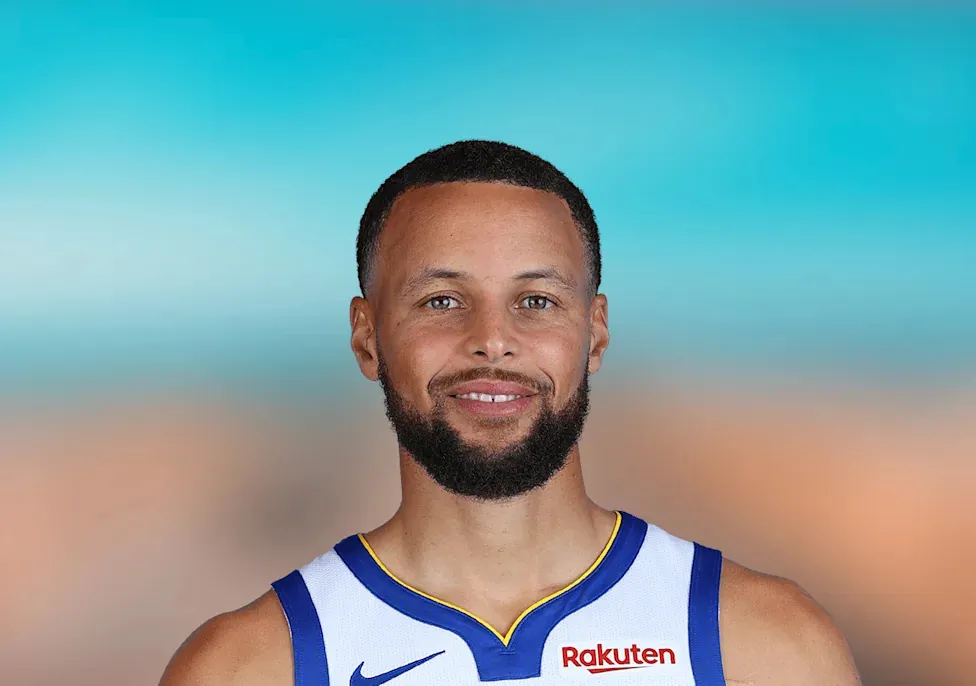
In 2006, Nelson returned to Golden State, a team that had not qualified for the postseason since his departure over a decade earlier. The Warriors achieved a significant upset by eliminating Dallas, the league’s top team, in the first round. Nelson was later pushed out before the 2010-11 season by new ownership, stating, “I was pretty well fried at that point.”
One of his most talented teams was the star-studded US squad that won the 1994 world title, defeating the Russians by 46 points. Nelson reflected, “I just took the guys they gave me. And they were all really, really good.”
His coaching success over more than three decades led to his induction into the Naismith Hall of Fame in 2012. Nelson is also recognized for his role in drafting Stephen Curry for the Warriors in the 2009 NBA draft. Curry acknowledged Nelson’s impact, stating, “One of the big reasons I was drafted by the Warriors was because of Don Nelson. The story is he never liked rookies, but from Day 1 he challenged me and gave me an opportunity to be my best self on the court. He taught me a lot during our one season together and I’ll never forget the night he became the winningest coach in NBA history in Minnesota. We were so happy for him.”
Curry further added, “He had an immeasurable impact on the sport and will go down as one of the greatest minds in the history of the game. He’s a true icon and will be missed by the countless number of people he touched, including myself, during a legendary career.” Nelson set an NBA record for most victories with 1,335 when he retired in 2010.
Source: bostonglobe.com

