Indiana Fever’s Cunningham discusses trans athletes, Clark focuses on basketball

Indiana Fever guard Sophie Cunningham recently addressed her stance on transgender athletes competing in women’s sports, clarifying her comments made during an interview. Cunningham stated that she received negative feedback, with some believing she expressed hatred towards transgender individuals. She emphasized that she aims to extend love and honesty, while also seeking to protect young girls in sports from competing against biological males.
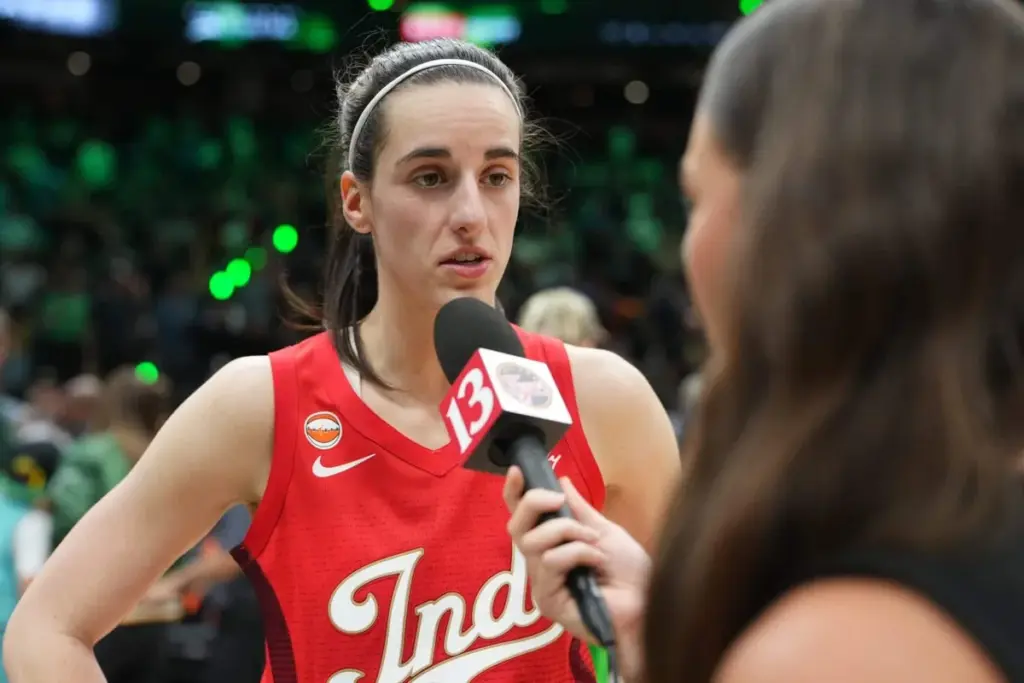
Following the Fever‘s 108-100 loss to the Minnesota Lynx on Sunday, Cunningham’s teammate, Caitlin Clark, was asked to comment on Cunningham’s position regarding trans athletes. Clark responded by indicating that such discussions are not a focus within the team’s locker room. She stated that it is a matter for leagues and governing bodies to address with their athletes to find solutions, while the team’s primary focus remains on basketball and achieving wins.
Differing approaches to social issues
Clark’s response aligns with her consistent approach to inflammatory topics, where she typically avoids engaging in broader social or political debates. She has often redirected conversations back to basketball, choosing not to plant her flag on one side or the other of such issues. This stance has drawn varied reactions, with some critics labeling her as a “coward” for not using her platform to advocate for specific causes.
The differing approaches of Cunningham and Clark highlight a broader trend within sports where athletes are increasingly expected to voice opinions on social and political matters. While Cunningham chose to articulate her views, Clark has opted for a more reserved stance, focusing on her athletic performance. This has led to criticism from both sides of the political spectrum, with some expressing disappointment that she does not align with their agendas.
The discourse surrounding athletes’ involvement in social issues has intensified, with every statement, or lack thereof, being scrutinized. For instance, commentator Matt Walsh, with 4 million followers on X, reportedly called Clark “the biggest coward in the history of sports” for not taking a political stance. However, others argue that athletes should be allowed to manage their careers and public image as they see fit, without being pressured to become avatars for political projects.
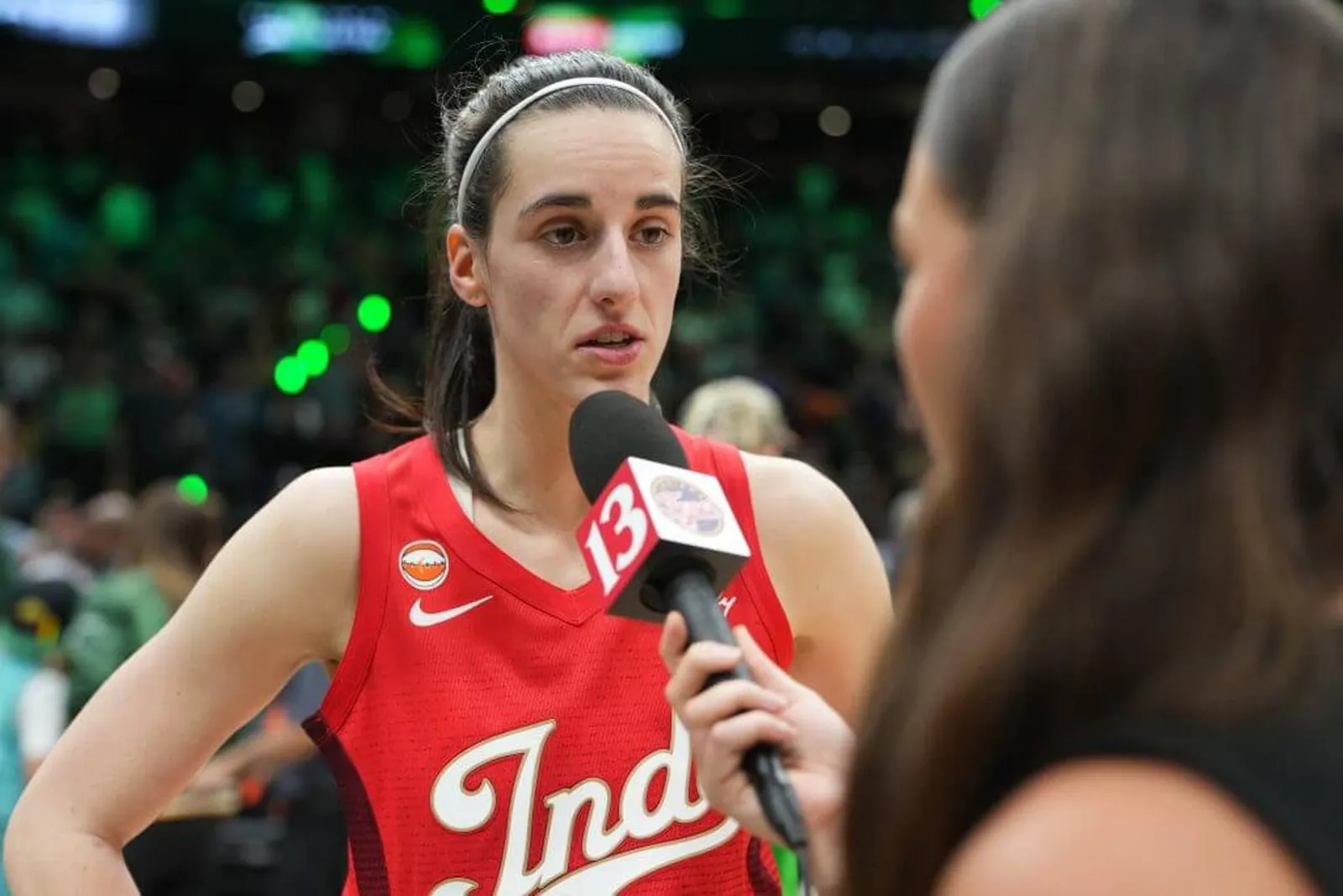
The WNBA, a league predominantly composed of Black women and many queer-identifying players, has become a platform for cultural discussions, often attracting attention from individuals who may not typically follow women’s basketball. Despite this, Clark has maintained that her priority is basketball, suggesting that not every event within the league is part of a larger societal or political movement.
Athlete advocacy and public expectations
The history of athlete advocacy in the United States includes significant moments, such as Tommie Smith and John Carlos‘s Black Power salute at the 1968 Summer Olympics, and Ted Williams‘s call for recognition of Negro Leagues players in 1966. These examples demonstrate a long tradition of athletes using their platforms for social commentary. However, the current environment often sees athletes facing intense scrutiny regardless of whether they choose to speak out or remain silent on contentious issues.
The expectation for athletes to weigh in on every social and political issue can be challenging. Those who do speak out often face an “avalanche of positive and negative commentary,” while those who choose not to engage are sometimes dismissed as being cowardly. This creates a complex situation where athletes are often caught between public expectations and their personal preferences for how to use their platform.
Ultimately, the decision of whether to engage in social and political discourse rests with individual athletes. Cunningham and Clark represent different approaches to navigating this landscape. Cunningham, like Clark, is free to express her views or choose not to, as is her right. Clark, at age 24, is navigating significant fame and wealth while striving to meet high expectations as a WNBA player, and her focus remains on the game itself.
The ongoing discussions highlight the tension between athletes’ roles as public figures and their desire to concentrate on their sport. Clark’s consistent message is that her focus is on basketball, and she believes that leagues and governing bodies should work with athletes to find solutions for broader issues.
Source: sports.yahoo.com

